
MIPP - Food Insecurity
A cura di Flaminia Marchetti, Policy Analyst, Laura Morreale, Policy Analyst & Silvia Porcaro, Policy Analyst
Food (In)security and climate change
What is food insecurity and why does it matter
The Emergency Operations Division of WFP and FAO published a report on January 26th 2022 calling attention to food insecurity. 20 “hotspots” have been identified all over the world where food insecurity is particularly severe, partly because of climate change.
FAO defines food insecurity as the lack of regular access to enough safe and nutritious food and a healthy life. Ranging from unavailability of food to the impossibility of accessing it through available resources, it can occur for several reasons. People suffering from various degrees of food insecurity are less likely to have a good quality of life, as well as development opportunities.
For this reason, the ever-increasing levels of food insecurity reported by the FAO in various countries should be a wake-up call. It seems that between 720 and 811 million people in the world face undernourishment in 2020, against the 650.3 million of the previous year. These numbers are expected to increase due to two main threats: population growth and climate change.
How does climate change impact food security
FAO estimates that, to satisfy the growing demand driven by population growth and dietary changes, food production should increase by 60 percent by 2050.
Rural populations are under increasing pressure, exacerbated by climate changes. Environmental degradation has led to a greater scarcity of natural resources, rising the competition for fertile land and clean water.
The climate crisis, combined with already existing social and economic inequalities, inadequate agricultural production capacity, and significant post-harvest losses, has resulted in high levels of food insecurity in different areas around the world.
Climate change constitutes a threat multiplier for already malnourished and impoverished rural individuals. Increased temperatures, changes in precipitation patterns, and greater frequency of extreme events negatively affect crops and livestock, which translates in poorer diets.
Climate change is an impending threat for countries already ravaged by war, economic marginalization and humanitarian crises. Moreover, it contributes to the rising levels of food insecurity. Food prices, in fact, have been soaring since May 2020. Thus, leaving entire countries unable to respond to the nutritional demands of their people. The greatest number of regions affected by food insecurity is in Africa, yet Asian and Central American countries are in the list as well. This alarming data confirms the global threat climate change is.
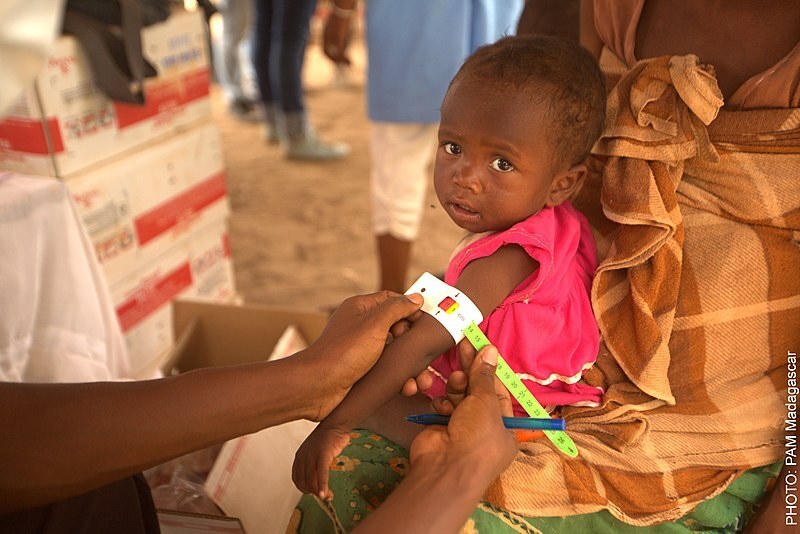
In addition, countries that suffer the most the effects of climate change are the same countries that contribute less to it. Madagascar, for instance, has only generated 0.01% of all the CO2 since 1933. Yet it is the first country to experience a climate change induced famine. This case has no precedents, but should be a warning sign of the need for a total change of direction, both scientifically and politically.