
A long-awaited legal opinion could mark a historic turning point in the protection of LGBTQIA+ rights in Europe. On June 5, Advocate General of the Court of Justice of the European Union (CJEU), Tamara Ćapeta, issued a key legal opinion condemning Hungary’s controversial 2021 law, declaring it incompatible with the Union’s core principles and internal market regulations.
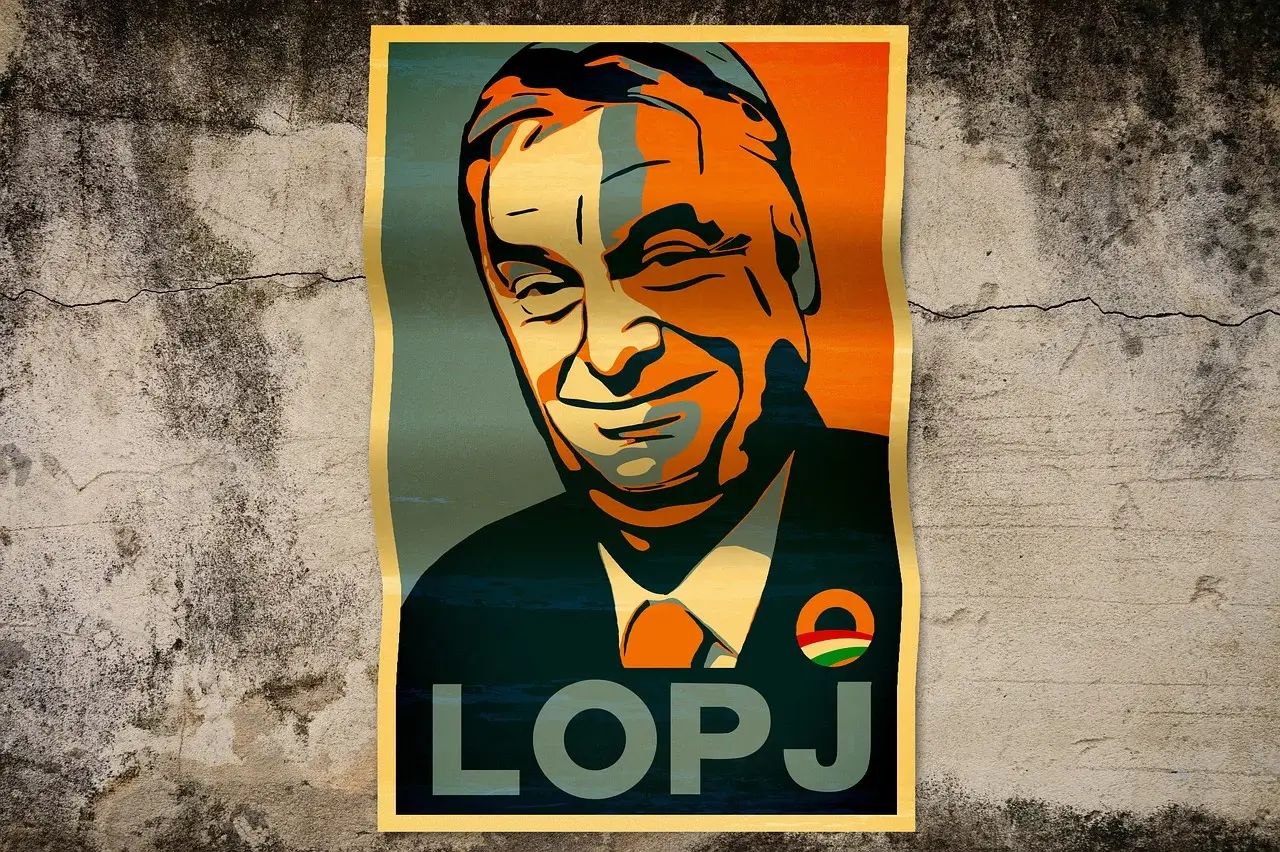
The law, pushed by Viktor Orbán’s government and approved in June 2021 with the support of the Fidesz party, bans the exposure of minors to content that
"depicts or promotes a gender identity different from birth sex, gender reassignment or homosexuality."
From the moment it was passed, the legislation sparked strong reactions across Europe, both for its implicit association between LGBTQIA+ topics and pedophilia, and for its evidently discriminatory nature.
Fundamental Rights and EU Market Freedoms Violated
Ćapeta stressed that the Hungarian legislation represents a serious breach of the Charter of Fundamental Rights of the European Union, particularly regarding freedom of expression, respect for private life, human dignity, and the prohibition of discrimination based on sexual orientation and gender identity.
According to the Advocate General, the law also hinders the free provision of cross-border and digital services, clashing with several EU directives, including:
- E-Commerce Directive (2000/31/EC)
- Services Directive (2006/123/EC)
- Audiovisual Media Services Directive (2010/13/EU)
- General Data Protection Regulation (GDPR - 2016/679)
Reactions and Impact: “A Law with No Place in Europe”
Civil society was quick to respond. Dávid Vig, Director of Amnesty International Hungary, stated:
“This law has no place in Hungary or in the European Union. It is deeply discriminatory, violates several fundamental human rights, and fuels the idea that LGBTQIA+ lives are worth less.”
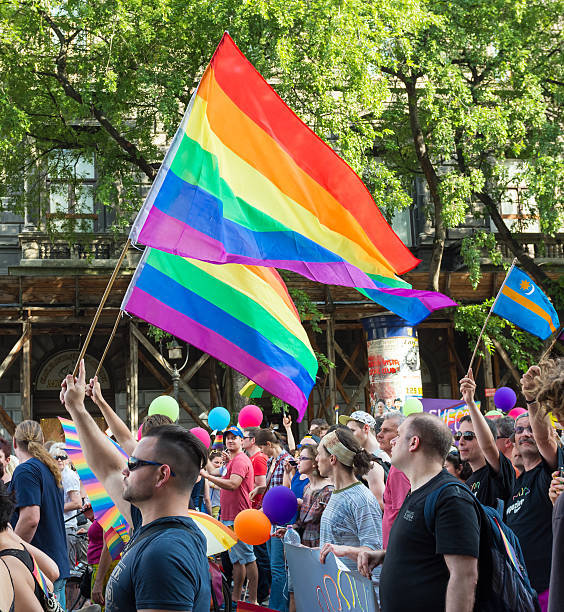
Despite the ongoing EU procedure, the Hungarian government has continued to invoke the law to suppress LGBTQIA+ visibility. In March 2025, for example, it was used to ban peaceful demonstrations in support of the community, raising fresh concerns over freedom of assembly and expression.
The Confrontation with Brussels and What’s at Stake
The European Commission launched an infringement procedure in 2021, which led to Hungary being referred to the Court in 2022. The initiative received support from 16 Member States and the European Parliament, confirming the political and symbolic significance of the dispute.
But the issue goes beyond a single law. It is a real test of the EU’s commitment to the rule of law and its foundational values. Should the Court follow Advocate General Ćapeta’s opinion, Hungary could be compelled to amend the law or face economic sanctions. However, Prime Minister Orbán has frequently rejected EU warnings, citing the country’s “cultural sovereignty.”
The Law’s Impact on Hungary’s LGBTQIA+ Community
According to ILGA-Europe, Amnesty, and numerous local NGOs, the law has had devastating effects: it has fueled homophobia and transphobia, encouraged censorship in media and schools, pushed educators to self-censor, restricted access to educational and cultural material, and obstructed the work of publishers, trainers, and digital platforms. The impact has also extended to the economic and professional sectors, harming the free circulation of services and content.
A Historic Ruling on the Horizon
The CJEU’s ruling is expected in the coming months. In a time marked by the rise of conservative and nationalist forces in several Member States, this case stands as a crucial test of the EU’s credibility as a guardian of rights and fundamental freedoms.
What’s at stake is not just a national law, but the very principle of a Europe built on equality, dignity, and freedom for all.
Translated by Gaia Ciceri
Mondo Internazionale APS - Riproduzione Riservata ® 2025
Share the post
L'Autore
Gaia Ciceri
Categories
Tag
LGBT+, RAINBOW REPORT; ILGA EUROPE; FRA; DISCRIMINAZIONE; INTOLLERANZA, DISCRIMINAZIONE DI GENERE Ungheria Corte di Giustizia Orban Tamara Capeta #RainbowReport #IlgaEurope #FRA #Discriminazione #Intolleranza #DiscriminazioneDiGenere