
The
decision by the United States not to participate in the Universal
Periodic Review (UPR) of its human rights record represents a
significant break with the idea that no state is above
international human rights law. This rare event for a country of
such influence has drawn international attention and concern, raising
questions about the accountability and transparency of powerful
states.
What Happened
On November 7, 2025, the United States missed its scheduled session in the UN mechanism that allows member states to undergo a peer-to-peer review of their human rights records every 4–5 years. International organizations, news outlets, and NGOs confirmed that no American representative attended the Geneva session, and the review has been postponed to 2026.
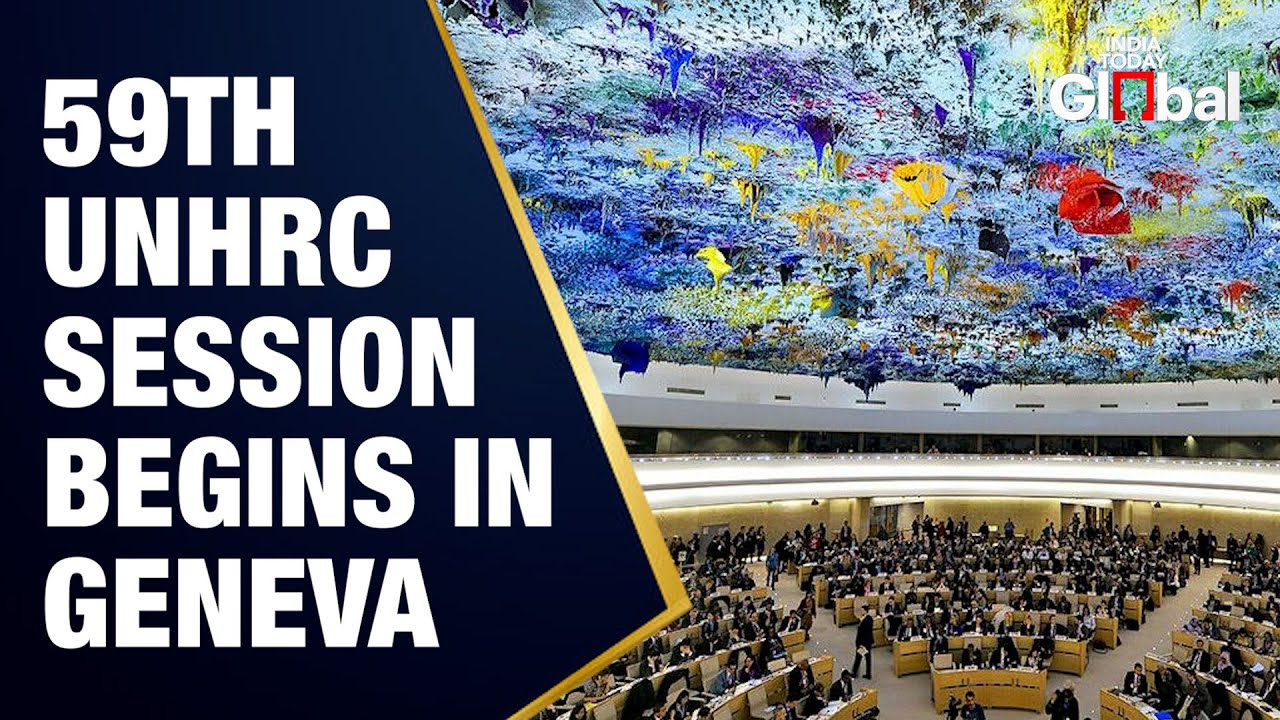
According to official U.S. statements, the decision was driven by a desire not to be “lectured” by countries such as Venezuela, China, or Sudan, which were considered unreliable interlocutors. The UN expressed regret over this lack of cooperation and invited the United States to reengage with the process.
Why It Matters
The Universal Periodic Review is a fundamental tool for ensuring transparency and peer accountability. The failure of an influential country like the United States to participate undermines the principle of universality: if a state can choose not to submit to review, the idea that all countries are equal under international standards is weakened.
Organizations such as Human Rights Watch and Amnesty International emphasized that this behavior is not merely symbolic but reflects concrete concerns about domestic human rights, including treatment of migrant communities, use of force in protests, detentions, and violations of fundamental rights. The absence of the United States also complicates the work of NGOs that rely on the UPR mechanism to document and report systemic violations.
International Relations
UN member states and NGOs expressed “disappointment” and “concern.” Some analysts note that this decision could set a precedent for other states, weakening the authority of multilateral human rights bodies. For the United States, the move risks damaging its international image and the leadership role it has traditionally held in human rights issues.
Points for Reflection
- Where is the boundary between state sovereignty and international responsibility?
- Can the failure of influential states to participate weaken the global human rights system?
- How can NGOs and multilateral institutions respond effectively when powerful states evade accountability mechanisms?
- Finally, what does this decision imply for the perception of U.S. citizens and the world regarding the credibility and commitment of the United States to human rights?
The decision by the United States is not merely a diplomatic incident: it represents a warning about the state of global accountability and underscores the need to strengthen international tools that ensure no state is above fundamental human rights standards.
Translated by Gaia Ciceri
Mondo Internazionale APS - Riproduzione Riservata ® 2025