
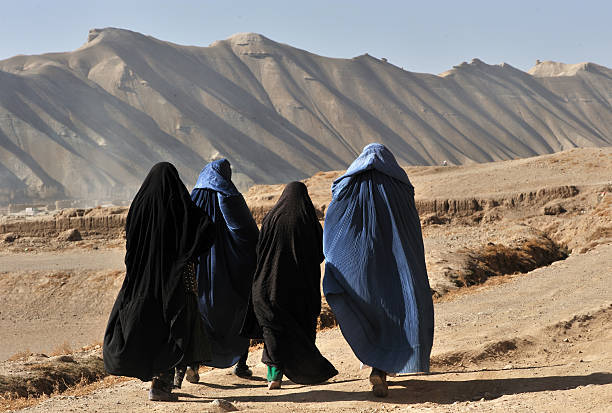
Translated by Benedetta Morandini The Return of the Taliban On August 15, 2021, following a rapid military offensive across rural districts and provincial capitals, the Taliban, or "students of the Quran," recaptured the capital, Kabul. Three years into their restoration, the Islamic Emirate continues to govern, relying on institutions inherited from the former Islamic Republic—reshaping and legitimizing them through a process of Islamization—and from the government previously directed by Washington. Though the Taliban government lacks official recognition, it has managed to normalize relations with regional actors: the list of foreign embassies accepting the credentials of the Emirate's diplomats is growing, and many diplomatic offices in Kabul have resumed operations. The Fall of Kabul The capital was meant to become the heart of a new Afghanistan, a project the U.S. and its allies had spent two decades and billions of dollars on developing. But on August 15, 2021, Kabul once again fell into the hands of the Taliban. Experts believed the city would hold out for at least a few weeks, but there was no resistance at all. This group of Islamic fundamentalists—formed in Afghan and Pakistani Quranic schools (from the Pashto term ṭālib, meaning "student")—had been involved in anti-Soviet guerrilla warfare since the late 1970s, when Afghanistan was invaded by the Soviets in 1979 (until the Russians withdrew in 1989). In 1992, the mujahideen, Islamist fighters trained and equipped by the United States to counter communism, marched on Kabul. In 1996, a more radical Islamist group arrived from the south: the Taliban, who had been fighting underground for years, strengthening despite the presence of thousands of NATO troops engaged in the War on Terror. The Quranic students ruled the country from 1996 to 2001. Back in power as of August 15, 2021, the Taliban remain an enigma. Only terrible news filters out: for the past three years, the "worst women’s rights crisis in the world" (Human Rights Watch) has been unfolding, along with one of the greatest humanitarian catastrophes. A Divided West in Doha The international community remains divided over whether (morally) and how to engage with the Taliban, as evidenced by the latest Doha Conference, organized by the United Nations. The international meeting, held in late June and early July in Qatar's capital, marked a turning point in Western policies towards Afghanistan. For the first time, the Taliban directly participated after boycotting the previous two conferences. This time, they attended due to the acceptance of their conditions, which had been previously excluded. The UN invited only the Emirate’s envoys as the sole representatives of the Afghan people and refrained from addressing the systemic oppression and exclusion of women from education and society. Organized by the UN to normalize relations with the de facto government and officially reopen economic, political, and diplomatic ties with Western economies—ties that had never been fully severed for countries like China, India, Russia, and Iran—"Doha III" was supposed to foster a common approach. Instead, it highlighted irreconcilable differences within the international community between "donor" countries advocating sanctions and isolation of the oppressive regime, and regional countries supporting dialogue and a more pragmatic approach. Afghanistan, A Continued War In the country, spaces for freedom are shrinking. Gender discrimination is becoming systemic and institutionalized, while a severe humanitarian crisis and a fragile economy heavily burden the population's daily lives. According to the United Nations, 23.7 million people in Afghanistan—over half the population—require humanitarian aid to survive. Over 80% of families live on less than a dollar a day: a situation that “is also the result of a failed approach sustained by the West for twenty years, which did not create a more resilient, sustainable, or peaceful society.” The latest UN Human Rights mission report reveals an institutionalized system of discrimination, gender segregation, and violations of human dignity. For three years, women and girls have been barred from attending high schools, universities, and public spaces. Those committing adultery are punished with flogging, and as of March 2024, stoning has become law. Afghanistan is also nearly cut off from the international banking system. Since the Taliban's return to Kabul, over 1.5 million Afghans have fled the country, with most now living in precarious conditions in neighbouring Iran and Pakistan, where they face discrimination and the risk of arbitrary deportation. Beyond the Conflict In this war-torn Central Asian country, where the conflict has raged for over forty years, decades of bitter strife have left countless civilian casualties, shattered lives, and broken dreams; unfulfilled promises, resentment, injustice, and frustration. Yet these were also years in which the Afghan people sought to reclaim the right to an ordinary life: work, friendships, education, play, and love. Over this Kabul, crippled by war, now hangs a dark, oppressive sky. Today, Afghanistan faces a delicate transitional phase, its future shaped by the decisions of the de facto authorities, internal dynamics within the multifaceted Taliban movement, and responses from Afghan society. But also by the initiatives the international community—currently divided and ineffective—may eventually undertake. To envision Afghanistan's future, we must first confront its tragic past and its present repression. The future will inevitably meet with both the past and present. Will reconciliation or at least a shared sense of normalcy ever be possible in this fractured society? Mondo Internazionale APS - Riproduzione Riservata ® 2024 |
Share the post
L'Autore
Giuliana Băruș
Studi in Giurisprudenza e Diritto Internazionale a Trieste.
Oltre che di Diritto (e di diritti), appassionata di geopolitica, giornalismo – quello lento, narrativo, che racconta storie ed esplora mondi – fotoreportage, musica underground e cinema indipendente.
Da sempre “permanently dislocated – un voyageur sur la terre” – abita i confini, fisici e metaforici, quelle patrie elettive di chi si sente a casa solo nell'intersezionalità di sovrapposizioni identitarie: la realtà in divenire si vede meglio agli estremi che dal centro. Viaggiare per scrivere – soprattutto di migrazioni, conflitti e diritti – e scrivere per viaggiare, alla ricerca di geografie interiori per esplorarne l’ambiguità e i punti d’ombra creati dalla luce.
Nel 2023, ha viaggiato e vissuto in quattro paesi diversi: Romania, sua terra d'origine, Albania, Georgia e Turchia.
Affascinata, quindi, dallo spazio post-sovietico dell'Europa centro-orientale; dalla cultura millenaria del Mediterraneo; e dalle sfaccettate complessità del Medio Oriente.
In Mondo Internazionale Post è autrice per la sezione “Organizzazioni Internazionali”.
Categories
Tag
#Afghanistan Taleban Kabul UnitedNations United Nations NATO USA Middle East Doha